Korea doesn't just consume supplements — it reinvents them. And you don't need a conglomerate to compete. Korean indie brands are topping Olive Young's health supplement charts, expanding to Amazon US, and even getting acquired by larger companies — all starting from zero. If you're planning a private label supplement brand, these indie success stories are your playbook.
This guide showcases the indie Korean supplement brands that are winning in diet and inner beauty — by ingredient category. Each one proves that a small brand with the right formulation, format, and positioning can compete with the largest players in Korea's fiercely competitive supplement market.
1. Collagen Peptides — Korea's Biggest Inner Beauty Category
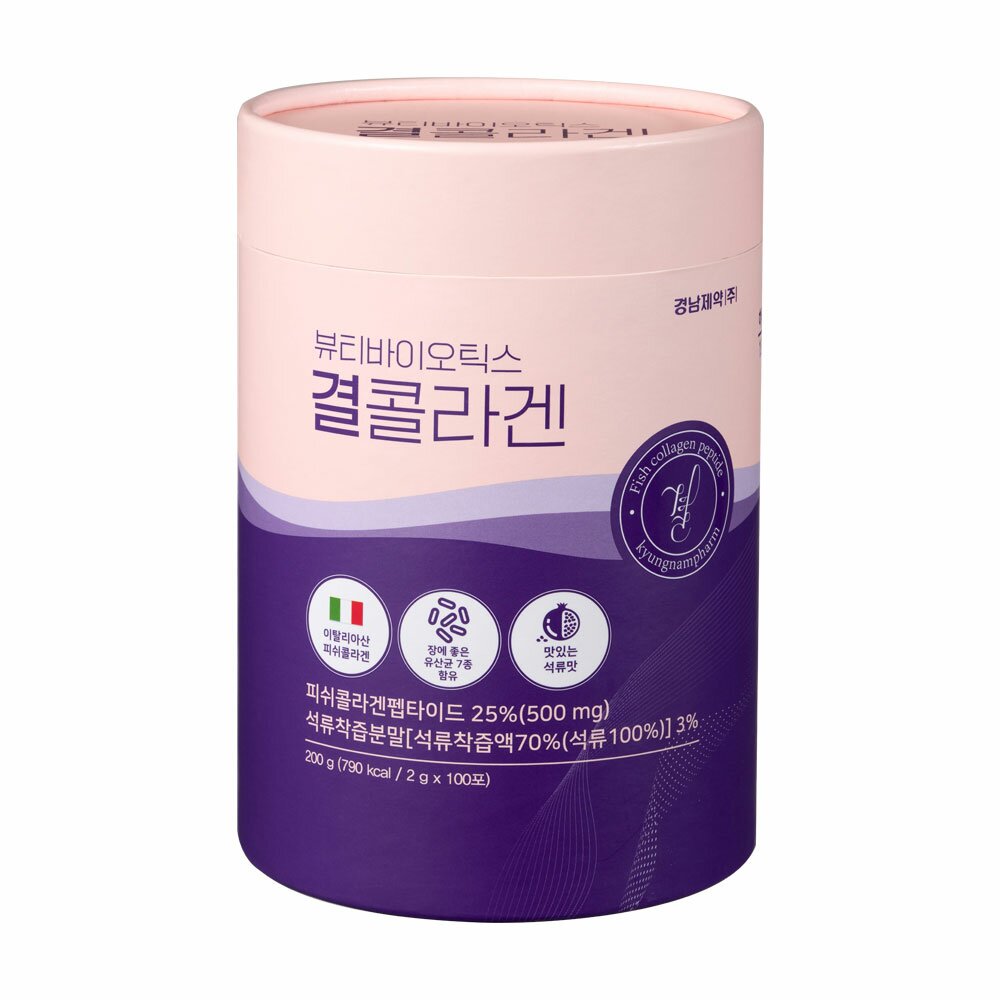
Collagen is the single largest inner beauty supplement category in Korea. But the way Korean brands sell collagen is fundamentally different from what you'll find on Amazon or iHerb. The dominant format is low-molecular fish collagen peptide in a single-serve stick pack — a powder you mix into water or drink directly, typically 1,000–2,000 mg per serving with added vitamin C for absorption.
This format outsells collagen capsules by a wide margin in Korea. The reason is simple: a stick pack can deliver 2–3x more collagen per serving than a capsule, it tastes good (usually peach or berry flavored), and it fits into a daily routine without feeling like taking medicine.
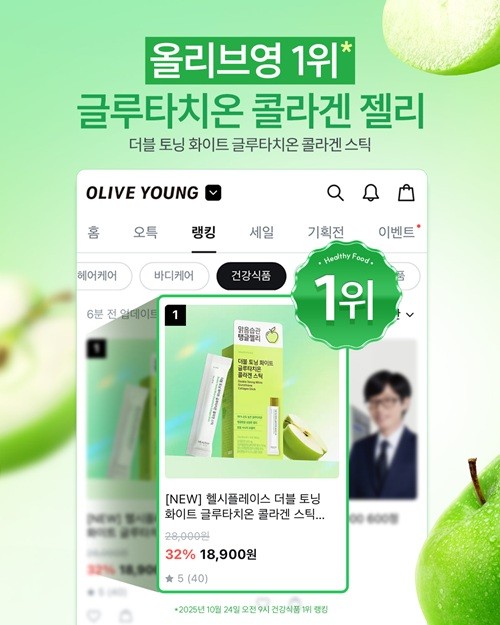
2. Glutathione — The Oral Film That Changed Everything
Glutathione supplements exist everywhere, but Korea turned them into a cultural phenomenon by changing the format. Instead of capsules or tablets, Korean indie brands are now competing with oral dissolving films, liposomal formulations, and jelly sticks — formats that feel like a premium skincare step rather than a supplement.
What's remarkable is how indie brands have entered this space. While the category was pioneered by large players, smaller brands are carving out niches with higher-purity formulations and innovative delivery systems like liposomal encapsulation.
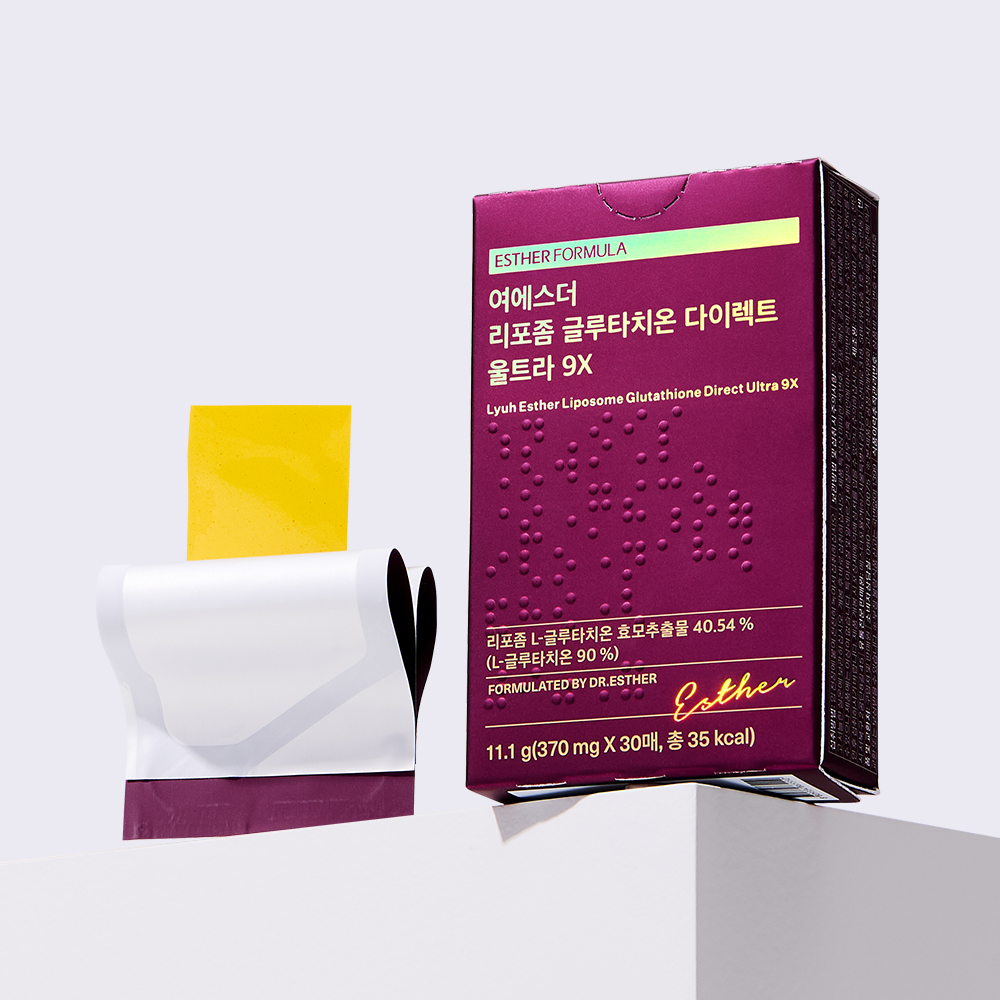
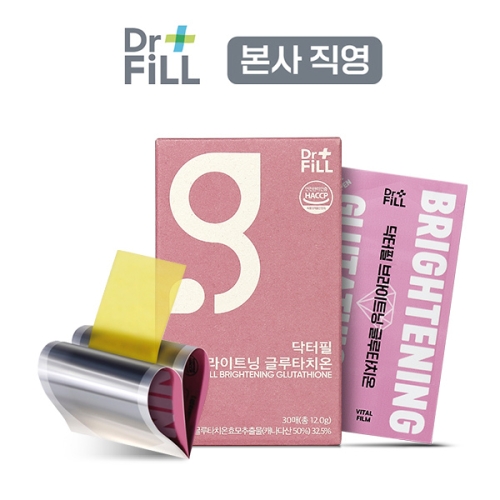
3. Inositol — The Women's Health Ingredient Going Mainstream
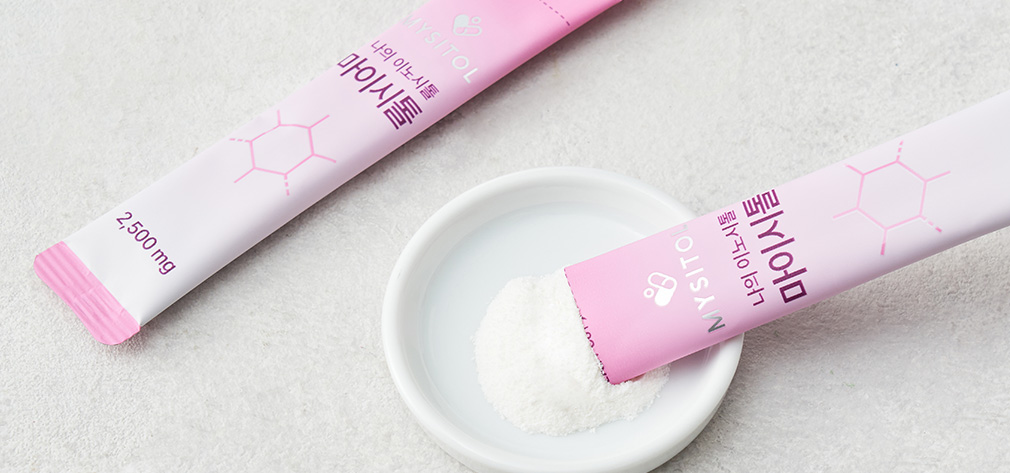
Inositol has gone from a niche PCOS (polycystic ovary syndrome) supplement to a mainstream women's health product in Korea. The key ingredients are myo-inositol and D-chiro-inositol, typically in a 40:1 ratio that matches the formulation used in clinical research. Korean brands have positioned it not just for PCOS but for broader hormonal balance, menstrual health, and even skin improvements.

4. Green Tea Catechin — Korea's Top Diet Supplement
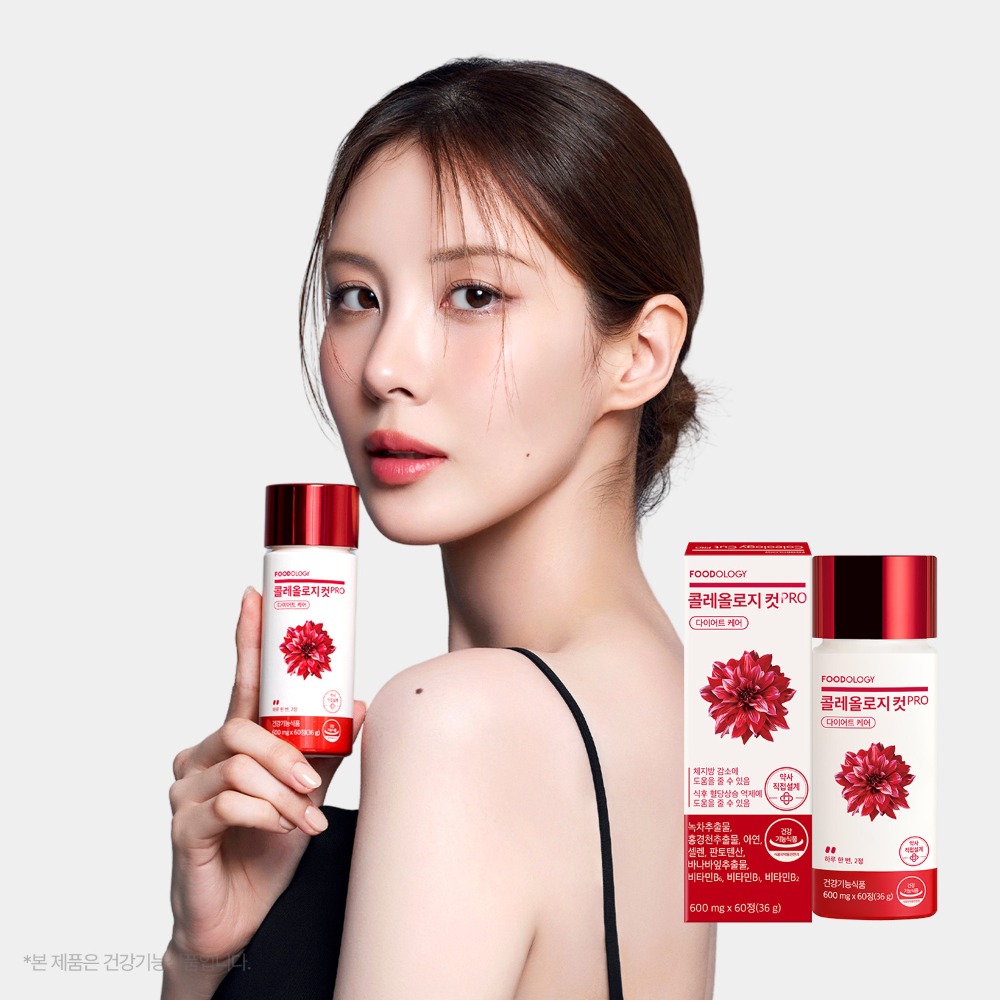
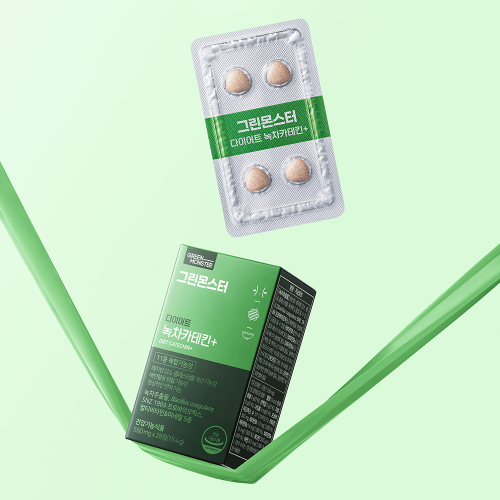
Green tea extract standardized for catechin content is the most established diet supplement category in Korea. What's exciting is how indie brands have carved out space alongside the conglomerates. Foodology, founded by a pharmacist from Ewha Womans University, has built a diet supplement empire on green tea catechin — even expanding to Amazon US.
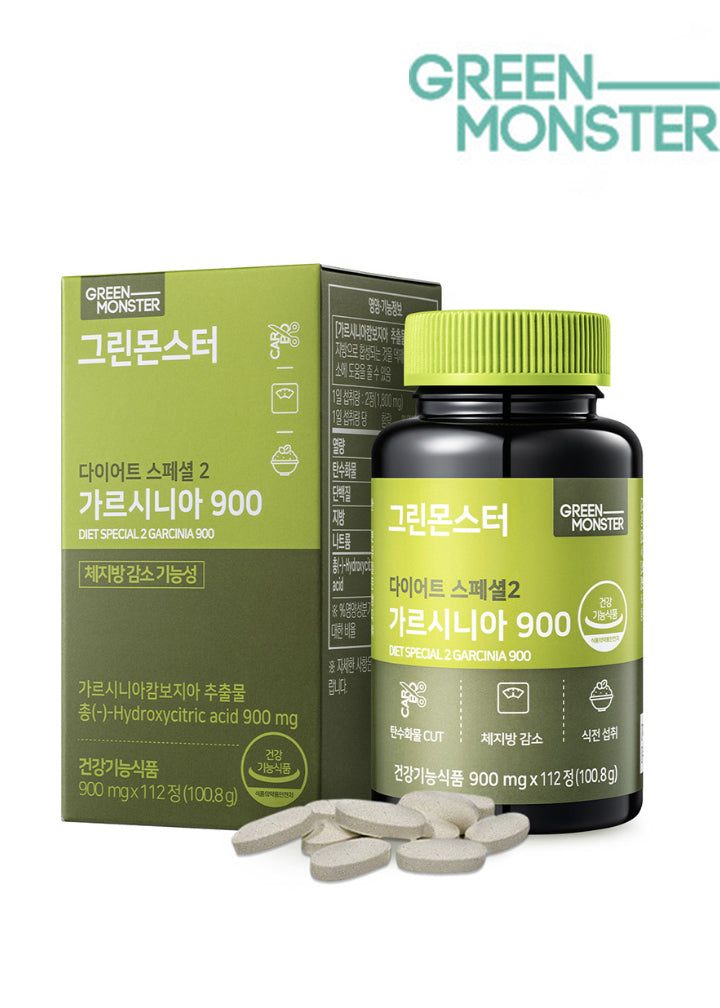
5. Garcinia Cambogia — Still a Major Player
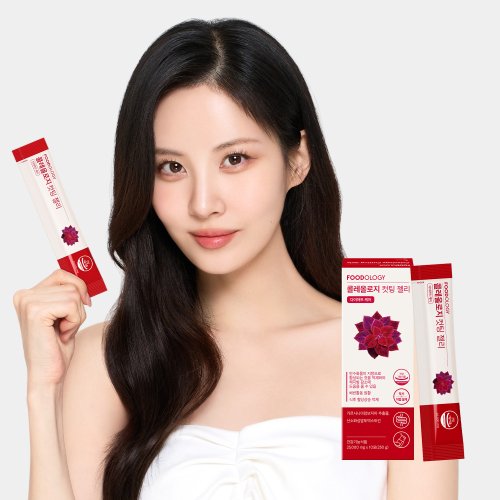
Garcinia cambogia extract (standardized for HCA — hydroxycitric acid) remains a top-selling diet supplement category in Korea. What makes Korean garcinia products different is how they're combined with other functional ingredients — probiotics, zinc, green tea — creating multi-benefit products rather than single-ingredient supplements.
6. Skin Probiotics — Where Gut Health Meets Beauty
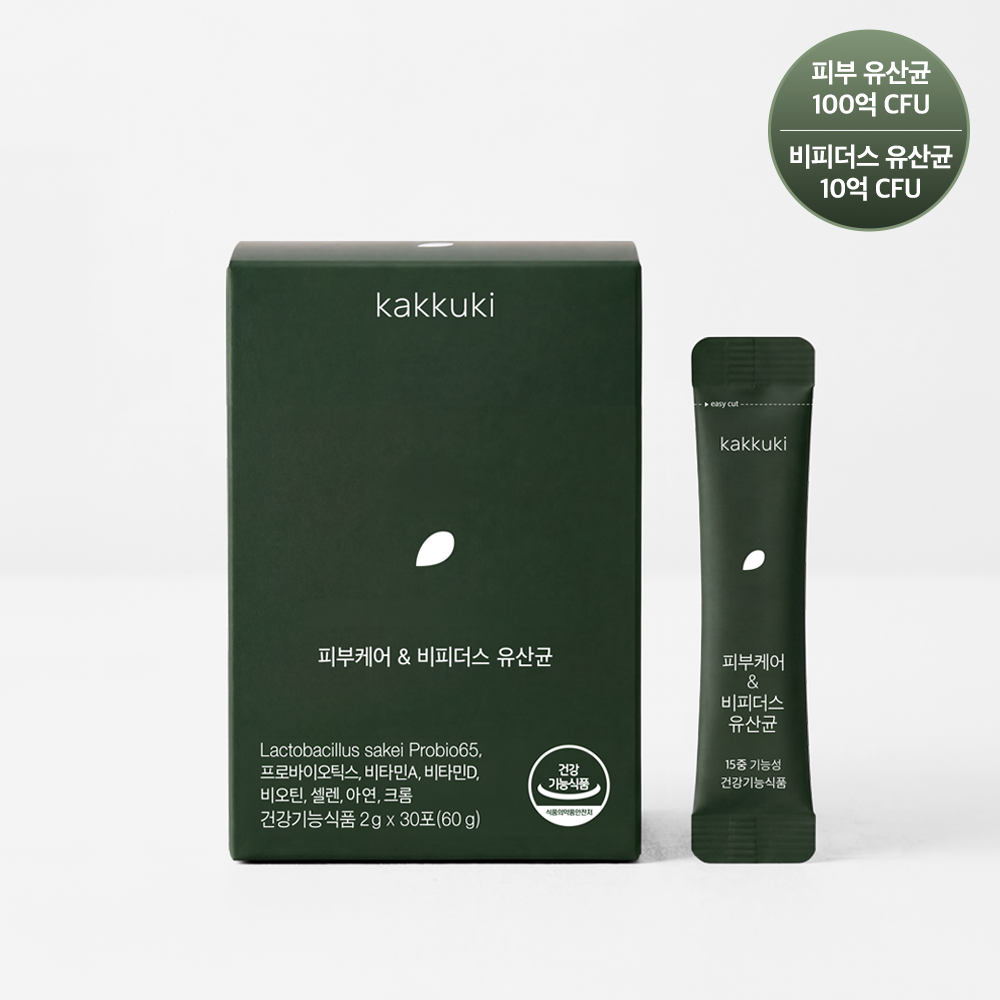
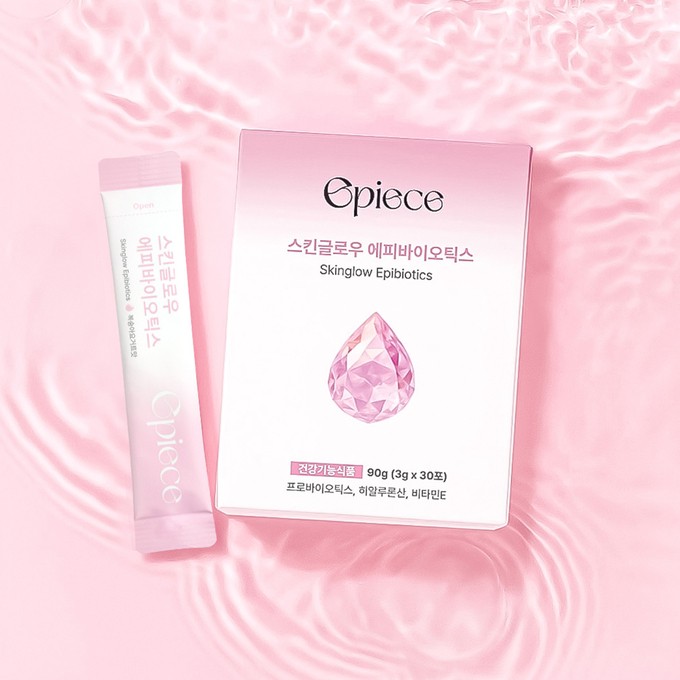
Korea pioneered the concept of probiotics specifically formulated for skin health. And indie brands are leading the charge. Unlike regular digestive probiotics relabeled for beauty, these products use patented strains selected for their effect on skin condition, often with added inner beauty ingredients like hyaluronic acid, glutathione, or vitamin E.
7. Emerging Trends — What's Next
Two new categories are gaining momentum in Korea right now. Watch these closely — they'll likely hit Western markets within 1–2 years.
Edible Retinol
Topical retinol has been a skincare staple for years. Korean brands are now launching oral retinol supplements— retinol you eat instead of apply. VitalBeautie's “Super Retinol” and BB LAB's “Edible Retinol C” are early movers. The concept is inner beauty meets anti-aging skincare, and the format (stick pack, naturally) makes it feel like a beauty ritual rather than a vitamin.
Grains of Paradise
An emerging diet ingredient that activates brown adipose tissue (BAT) and increases energy expenditure. Standardized for 6-Paradol content. Still early-stage in Korea, but ingredient suppliers are actively signing OEM distribution deals, which typically means product launches are 6–12 months away.
8. Turning Korean Bestsellers into Your Private Label Brand
You can't copy these brands' formulas — and you shouldn't. But you canuse the same ingredients, in the same formats, with your own branding and positioning. Here's how to think about it.
| Category | Key Ingredient | Best Format | Private Label Difficulty | Market Readiness |
|---|---|---|---|---|
| Collagen | Fish collagen peptide | Stick pack (powder) | Easy — most OEMs offer this | High — consumers already know collagen |
| Glutathione | Glutathione (reduced) | Oral dissolving film | Hard — specialized equipment needed | Medium — growing awareness |
| Inositol | Myo-inositol + D-chiro | Stick pack (powder) | Easy — standard production | Medium — rising search interest |
| Green tea diet | Catechin extract | Tablet | Easy — widely available | High — established ingredient |
| Garcinia | HCA extract | Tablet or stick pack | Easy — common ingredient | High — well-known globally |
| Skin probiotics | Targeted probiotic strains | Stick pack (powder) | Medium — strain selection matters | Medium — niche but growing |
| Edible retinol | Retinol / retinyl palmitate | Stick pack | Medium — regulatory varies by country | Low — very early stage |
The format is the product
The most important lesson from Korean supplement brands: the format matters as much as the ingredient. A collagen stick pack and a collagen capsule bottle contain the same active ingredient, but they're completely different products in the consumer's mind. The stick pack is a daily beauty ritual; the capsule is a pill. If you're private labeling, choose the format first, then the ingredient.
Start with one hero product
Don't launch with a 10-SKU lineup. Korean brands that win start with one product that nails a specific consumer need — then expand. Ever Collagen built an empire on one collagen stick pack. BB LAB started with one “pink tub.” Pick the category where you have the strongest consumer insight, and make one product that's better than what's currently available in your market.
Want to find a Korean OEM factory that makes these formats?
Match with Manufacturers →9. Korean Indie Supplement Brand Directory
For your own research, here are the official websites of the indie Korean supplement brands featured in this guide — proof that you don't need a conglomerate behind you to build a successful supplement brand.
| Brand | Company | Strong Categories | Website |
|---|---|---|---|
| Healthy Place | Healthy Place | Collagen, glutathione | healthyplace.co.kr |
| Esther Formula | Esther Formula | Glutathione film, liposomal | esthermall.co.kr |
| Kyul Collagen | Kyul | Collagen | Olive Young Global |
| Dr.Fill | CL Pharm | Glutathione film | drfill.co.kr |
| MysiTol | AI The Nutrigen → Huons N | Inositol, women's health | mysitol.co.kr |
| OptiHealth | OptiHealth | Inositol, women's health | optihealth.co.kr |
| Foodology | Foodology | Catechin, garcinia, diet | food-ology.co.kr |
| Green Monster | GraceClub | Catechin, garcinia, diet | greenmonster.co.kr |
| kakkuki | ELCH Co. | Skin probiotics, glutathione | kakkuki.com |
| Ephis | Ephis | Skin probiotics, inner beauty | - |
Ready to Build Your Supplement Brand?
Supplecue connects you with GMP-certified Korean manufacturers
who produce the same formats and ingredients as the brands in this guide.